Quality Commitment

Great Quality does not know the meaning of the word Compromise.

Radeberger Pilsner has always been dedicated to the Pilsner brewing tradition. We follow our own standards – standards we set for ourselves and uphold every day. That means giving our Pilsner the time it needs to mature, sourcing carefully selected ingredients increasingly from our region, and always going a little further when it comes to quality. A special hop blend. Exceptionally soft water. And an extra measure of commitment.

Today and in the future, fans of Radeberger Pilsner can rely on one thing: we will do everything we can to serve the best possible quality.

That’s a promise.


Hops.

A hop composition with a distinctive character.

Hops play a defining role in the taste of Radeberger Pilsner. That’s why we rely on a carefully balanced combination of bitter and aroma hops.
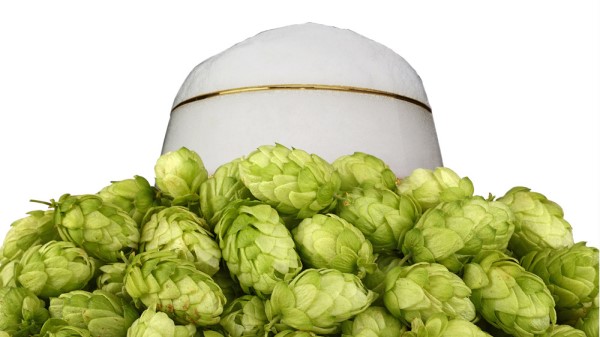
A white ceramic container protrudes from a pile of green hop cones.
Bitter hops

As the name suggests, bitter hops give the beer its characteristic bitterness. Their bitter compounds balance the subtle sweetness of the malt, creating a harmonious overall taste. At the same time, they contribute to a stable, long-lasting head.

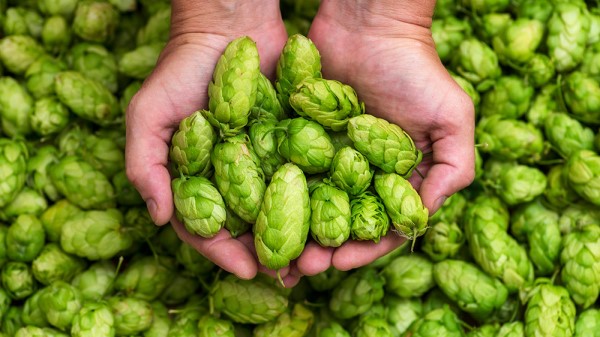
Two hands hold fresh green hop cones above a pile of similar hops.
Aroma hops

Aroma hops contain less bitterness but a higher concentration of aromatic oils. They add complexity and depth, giving Radeberger Pilsner its refined and distinctive character.

Our hop favorites

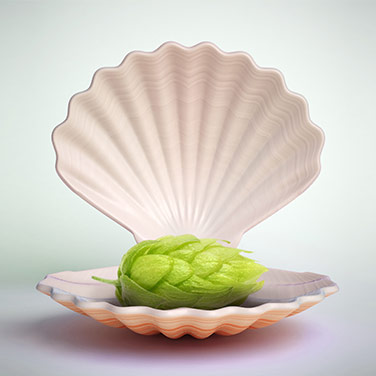
A green hop cone lies in the center of an open, shell-shaped bowl.
Perle

our preferred aroma hop, valued for its floral and fruity notes and its full, balanced character.
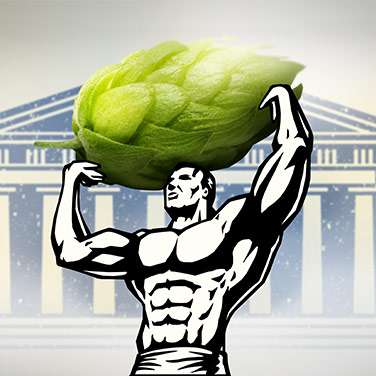
A muscular man lifts a large hop cone above his head in front of a classic building.
Herkules

known for its powerful aroma and broad flavor spectrum.
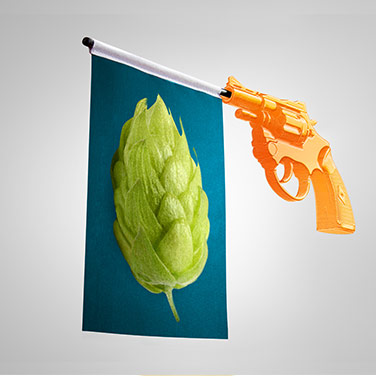
A green hop cone and an orange pistol are depicted on a blue flag.
Magnum

appreciated for its fine fruity and floral notes.

Two zodiac signs, a Taurus and a Leo, are depicted as bright stars against a dark blue sky.
Taurus

small, compact cones with particularly harmonious and aromatic bitterness.


Barley.

Our love for Pilsner starts in the field.
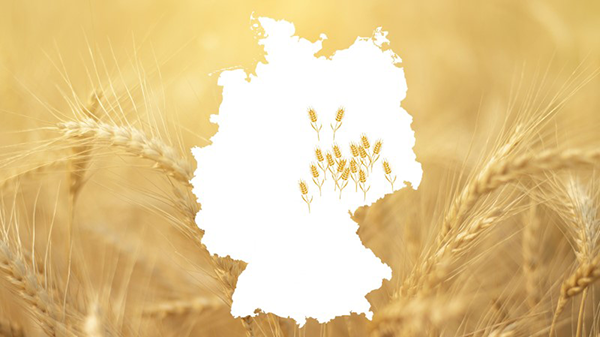
A golden cornfield landscape frames a white silhouette of Germany with ear of corn symbols.

From the region

Our cooperation with farmers in Saxony, Thuringia and surrounding areas is exceptional in Germany. Today, the area cultivated under our regional contracts already covers more than 6,000 soccer fields – and continues to grow.

Our brewing barley

We use carefully selected two-row summer barley as well as two- and six-row winter barley. Brewing barley has a lower protein content than feed barley. Ideally, it falls between 10.5 % and 11.5 %. Protein levels outside this range can affect taste, foam quality, processing and shelf life. That’s why we keep a close eye on our barley – from field to malt house.

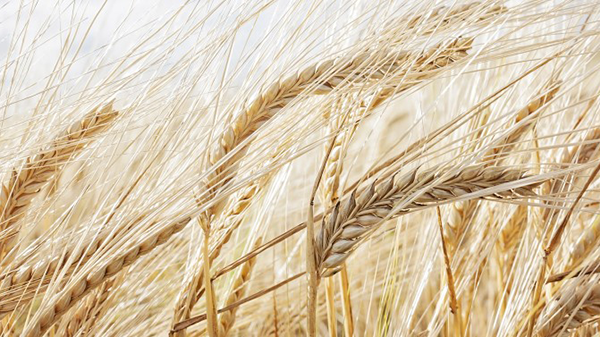
Ripe wheat ears sway in the wind in a field.
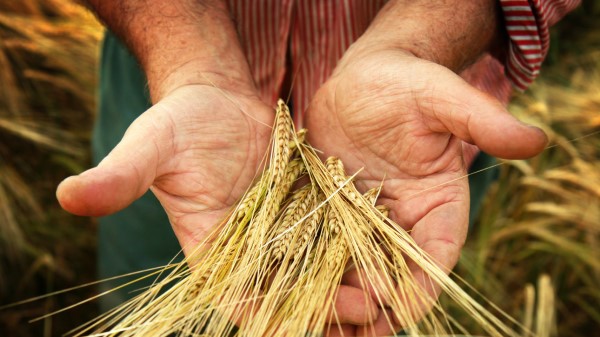
A man holds a handful of ears of grain in his hands.

From barley to malt

Before barley becomes beer, it must first become malt. This process takes place in a malt house, not the brewery. The barley is cleaned, soaked and allowed to germinate under controlled conditions, then gently dried to stop germination.

Finally malt

After further cleaning, a resting period and polishing, the malt is finally ready for our brewing kettles.

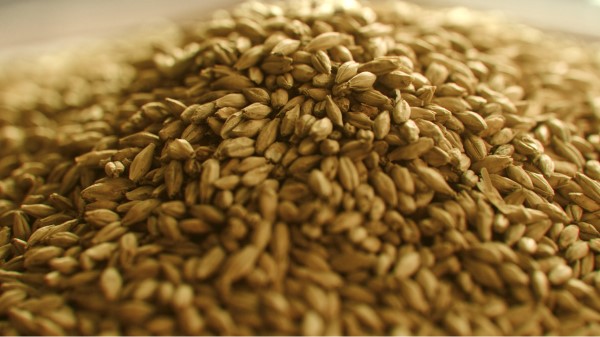
A large pile of uncooked barley grains in close-up.

Water.

A water that understands taste.

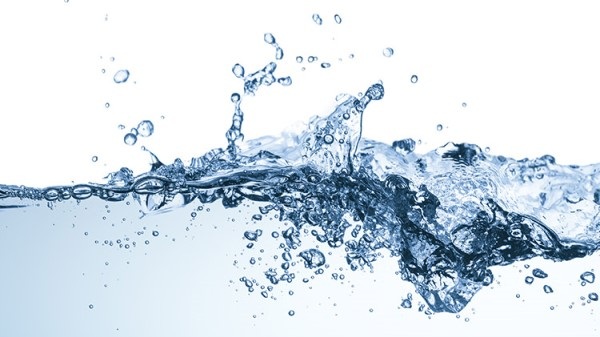
Clear blue water surface is broken by dynamic splashes.

Many breweries have to treat or demineralize their water before brewing. We don’t.

Our brewing water comes from deep wells in the Karswald forest and is naturally perfect for brewing. Its low mineral content allows hop and malt aromas to unfold without distortion or interference. That’s why it can go straight from the source into our brewing kettles.

A direct underground pipeline brings the water from the wells to the brewery without detours – quite literally from nature to beer. The unique geological conditions of the region, shaped by a solid granite base, ensure particularly low mineralization. It may not sound spectacular – but for brewing Pilsner, it’s ideal.


Time.

A great Pilsner takes time. About 29 days.
Illustrated images of barley, hops and a clock.

Brewing Radeberger Pilsner follows a precise rhythm. After mashing, lautering and boiling, fermentation begins and lasts around eight days. During this phase, yeast converts malt sugars into alcohol and carbon dioxide, creating young beer.

As part of the process, certain by-products develop. We deliberately allow enough time to reduce unwanted notes below the sensory threshold, favoring a clean hop bitterness instead.

The beer is then cooled and enters its maturation phase. Over time, haze-forming substances settle, and rough aromas transform into refined flavor compounds. Only by allowing this process to fully unfold can Radeberger Pilsner develop its rich, full-bodied taste.

Finally, filtration removes remaining yeast and particles, giving the beer its clear appearance and bright golden color. It is then ready for bottling.
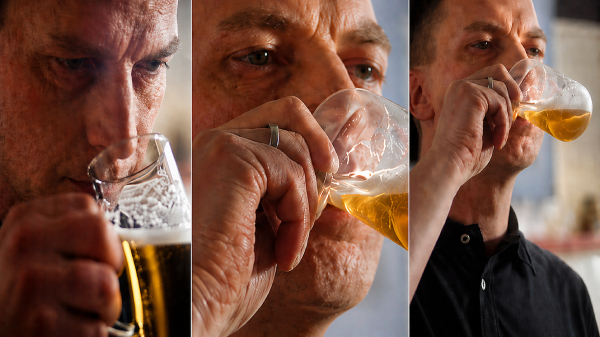

See. Smell. Taste.

Pilsner is an experience for the senses.

A man holds and drinks beer from a glass.

Up to 300 substances can be identified analytically. But the final judgment belongs to the most precise instrument of all: the human senses.

Trained tasters evaluate every batch. Only when Radeberger Pilsner tastes exactly as it should is it approved.